

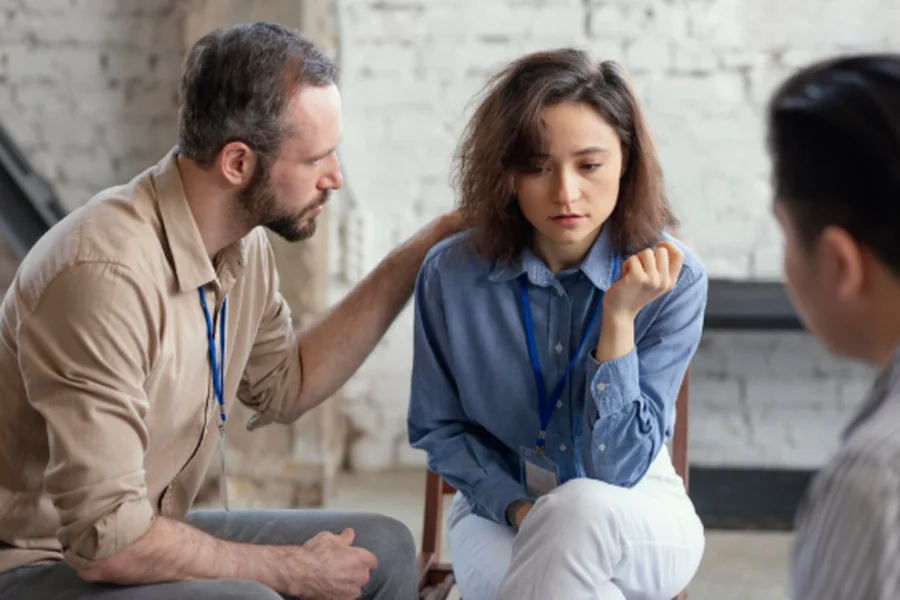
Experiencing a traumatic event can have a lasting impact on a person’s emotional, psychological, and physical well-being. While people respond to difficult experiences in different ways, some may continue to experience distress long after the event has passed. Seeking trauma counselling in Singapore can help individuals access professional support tailored to their unique experiences and recovery needs. These reactions can affect relationships, work, education, and everyday life. For individuals facing these challenges, trauma counselling provides a supportive and structured environment where they can begin to understand their experiences and work towards recovery.
Trauma counselling is not about forgetting what happened or removing difficult memories. Instead, it helps individuals process their experiences, develop healthy coping strategies, and gradually regain a sense of safety and control. With the support of a qualified mental health professional, many people are able to build resilience and improve their overall quality of life.
What Is Trauma?
Trauma refers to the emotional and psychological response to an event or series of events that an individual finds deeply distressing or overwhelming. These experiences may include accidents, natural disasters, violence, abuse, the sudden loss of a loved one, serious illness, or other situations that leave a lasting emotional impact.
People respond to trauma differently. While some recover with the support of family and friends, others may continue to experience emotional difficulties that interfere with their daily lives. There is no right or wrong way to respond to trauma, and every person’s experience is unique.
Understanding this individuality is an important part of the healing process.
How Trauma Can Affect Daily Life
Trauma can influence many aspects of a person’s life, sometimes in ways that are not immediately recognised.
Some individuals may experience persistent feelings of vocalnewsmedia com fear, sadness, guilt, anger, or emotional numbness. Others may find it difficult to concentrate, sleep well, or feel safe in situations that previously seemed routine. Certain reminders of the traumatic event may also trigger strong emotional or physical reactions.
These responses can affect personal relationships, work performance, education, and participation in everyday activities.
Seeking professional support may help individuals better understand these experiences and develop practical ways of managing them.
What Happens During Trauma Counselling?
Trauma counselling provides a confidential and supportive space where individuals can explore their experiences at a pace that feels comfortable.
During counselling sessions, the therapist works collaboratively with the individual to understand how the traumatic experience has affected different areas of their life. Rather than forcing someone to revisit painful memories before they are ready, counselling is typically guided by the individual’s needs, goals, and emotional readiness.
The focus is on creating a safe therapeutic environment where healing can occur gradually over time.
Evidence-Based Therapeutic Approaches
Qualified trauma counsellors may use a variety of evidence-based zavalio com therapeutic approaches depending on the individual’s circumstances.
Cognitive behavioural therapy may help individuals identify and manage unhelpful thought patterns that developed following the traumatic experience. Other approaches, such as trauma-focused therapies, mindfulness-based interventions, and other evidence-based methods, may also be considered where appropriate.
The therapist will recommend an approach based on the individual’s specific needs and professional clinical judgement.
Treatment plans are personalised because every person’s experience of trauma is different.
Developing Healthy Coping Strategies
One of the primary goals of trauma counselling is to help individuals develop practical coping skills that support everyday functioning.
Counselling may help people recognise emotional triggers, manage overwhelming emotions, improve communication, strengthen problem-solving abilities, and gradually rebuild confidence.
These skills are designed to support long-term wellbeing rather than provide only temporary relief.
Over time, many individuals feel better equipped to navigate life’s challenges while continuing their recovery journey.

The Importance of Feeling Safe
Feeling safe is a fundamental part of trauma counselling.
The therapeutic relationship allows individuals to discuss difficult experiences without fear of judgement or pressure. Counsellors work to establish trust while respecting each person’s pace and boundaries throughout the counselling process.
This supportive environment encourages individuals to participate actively in their own recovery while developing greater confidence in managing their emotions.
Building trust takes time, and counsellors recognise that healing is rarely a linear process.
Supporting Recovery Beyond Counselling
Trauma counselling is often one part of a broader approach to emotional wellbeing.
Healthy daily routines, supportive relationships, adequate sleep, balanced nutrition, regular physical activity, and appropriate self-care can all contribute positively to the recovery process.
A counsellor may encourage individuals to explore strategies that complement therapy while recognising that each person’s recovery journey is unique.
Recovery is rarely measured by the absence of difficult emotions but rather by an increased ability to manage them in healthy and meaningful ways.
Conclusion
Trauma counselling offers individuals a safe and supportive environment to understand the effects of traumatic experiences while developing practical skills for recovery. Through personalised, evidence-based approaches, counselling helps people build resilience, improve emotional wellbeing, and regain a greater sense of control over their lives.
Seeking professional support is a positive step for anyone whose past experiences continue to affect their daily life. With patience, appropriate guidance, and a trusted therapeutic relationship, many individuals find themselves better equipped to move forward with confidence and hope.
FAQs
What is trauma counselling?
Trauma counselling is a form of professional psychological support that helps individuals process traumatic experiences, understand their emotional responses, and develop healthy coping strategies.
Who can benefit from trauma counselling?
Anyone whose past experiences continue to affect their emotional wellbeing, relationships, work, or daily life may benefit from speaking with a qualified trauma counsellor.
How long does trauma counselling take?
The length of counselling varies depending on each individual’s circumstances, goals, and progress. Some people benefit from short-term support, while others may require longer-term therapy.
Is trauma counselling confidential?
Yes. Qualified counsellors generally provide confidential services, although there may be specific legal or ethical exceptions that will be explained at the beginning of the counselling process.
