

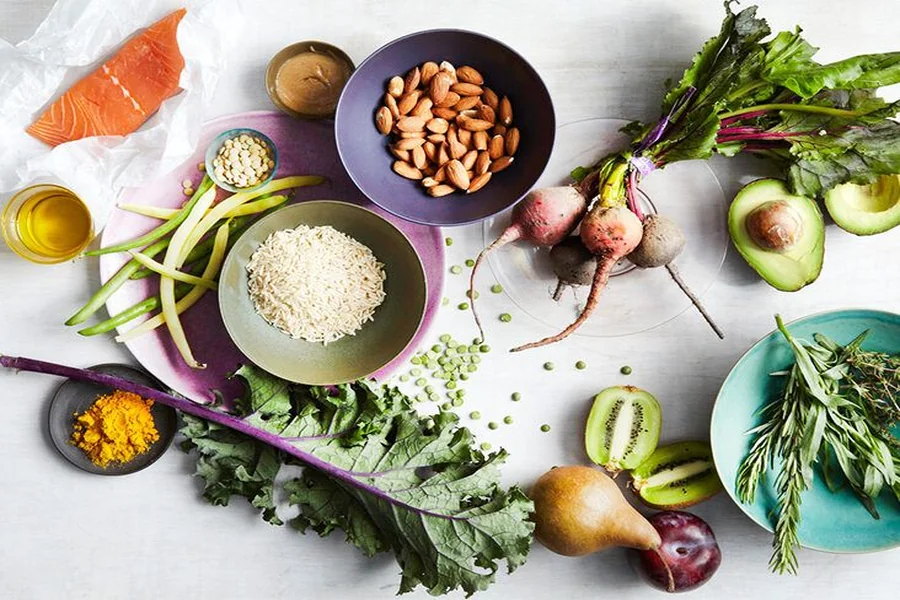
Food is one of the most important parts of everyday life. We need it for energy and good health. We also enjoy it because food brings people together. A simple meal can become a special memory when it is shared with family or friends.
Today there are countless food choices available. Supermarkets are filled with fresh produce and packaged products. Restaurants offer meals from almost every part of the world. Online platforms also make it easier to order almost anything we want.
With so many choices it can sometimes be difficult to know what food is best for us. Healthy eating does not mean giving up everything we enjoy. It is more about finding a balance and making better choices most of the time.
Fresh ingredients can provide important nutrients. Whole grains can support steady energy. Fruits and vegetables add vitamins and minerals to meals. Protein helps the body grow and repair itself. Healthy fats also have an important role in a balanced diet.
At the same time food should be enjoyable. Taste matters. Culture matters. Personal preferences matter too. The best eating habits are often the ones that are realistic and enjoyable enough to follow every day.
Why Food Matters in Everyday Life
Food gives the body the energy it needs to work. From walking and studying to exercising and doing household tasks we depend on energy throughout the day. The quality of our food choices can affect how we feel and perform.
A balanced meal usually contains several types of nutrients. Carbohydrates provide energy. Protein supports muscles and other tissues. Fats help with several body functions. Vitamins and minerals support many processes that keep the body working properly.
Food also affects our daily routines. Breakfast can help some people feel ready for the morning. A nutritious lunch can provide energy for the afternoon. Dinner can be a chance to slow down after a busy day.
There is also an emotional side to food. Many people connect certain meals with childhood memories or family traditions. A homemade dish can remind someone of a special person or place.
Food is also an important part of culture. Different regions have their own ingredients and cooking methods. Spices can give a dish a unique character. Traditional recipes often pass from one generation to another.
This is why food is much more than something we eat when we are hungry. It is connected to health and culture. It can also bring comfort and create social connections.
What Makes a Balanced Meal
A balanced meal does not have to be complicated. The goal is to include a useful mix of nutrients while keeping portions reasonable.
Vegetables and fruits can make up an important part of meals. They provide fiber and many vitamins and minerals. Different colors often mean different nutrients so adding a variety of produce can be a simple way to improve meals.
Protein is another important part of a balanced diet. Eggs and fish are common choices. Chicken and other lean meats can also provide protein. Beans and lentils are useful plant-based options.
Whole grains can provide carbohydrates along with fiber and other nutrients. Brown rice and oats are examples. Whole grain bread is another practical choice.
Healthy fats can also be included in moderate amounts. Nuts and seeds are useful choices. Avocado and some plant oils can also fit into a balanced eating pattern.
Water should not be forgotten. The body needs fluids every day. Drinking enough water is a simple habit that can support normal body functions.
A balanced meal does not need to look perfect. One meal will not determine your overall health. What matters more is the pattern of your eating habits over time.
If one meal is heavier than usual there is no need to feel guilty. The next meal can simply return to a more balanced choice.
Fresh Food and Simple Ingredients
Fresh food can make meals both nutritious and enjoyable. Fruits and vegetables are among the easiest ingredients to add to a daily menu.
Fresh ingredients also allow people to control what goes into their meals. When cooking at home you can decide how much salt or sugar to use. You can also choose the cooking method and portion size.
Simple ingredients can create surprisingly tasty dishes. Fresh tomatoes with herbs can make a quick side dish. Eggs can be combined with vegetables for an easy breakfast. Lentils can become a filling soup or curry.
Frozen food can also be useful. Frozen vegetables and fruits can be convenient when fresh options are not available. They can reduce preparation time and help prevent food waste.
Canned foods can have a place in a practical kitchen too. Beans and some vegetables can be useful when stored correctly. It is often helpful to check the label and choose options with less added salt or sugar when possible.
The key is not to label every packaged food as bad. Some packaged zavalio com foods are convenient and nutritious. The important thing is to look at the overall ingredients and how often the food is eaten.
Cooking with simple ingredients can also make eating more enjoyable. You do not need advanced cooking skills to prepare a good meal. A few basic ingredients and simple seasoning can go a long way.
How to Make Healthy Food More Enjoyable
Healthy food does not have to be boring. Flavor comes from more than salt and sugar. Herbs and spices can transform simple ingredients into satisfying meals.
Garlic and ginger can add depth to many dishes. Fresh herbs can add brightness. Lemon juice can bring a fresh taste to vegetables and fish. Spices can create warmth and character without making a meal complicated.
Texture also matters. A meal with several textures can feel more interesting. Crisp vegetables can be paired with soft grains. Roasted ingredients can be combined with a creamy sauce or dip.
Presentation can make a difference too. People often enjoy food more when it looks appealing. A colorful plate can make an ordinary meal feel more inviting.
Cooking methods can also change the flavor of food. Roasting can bring out natural sweetness in vegetables. Grilling can add a smoky taste. Steaming can keep vegetables light and fresh.
Another useful habit is trying new recipes slowly. There is no need to completely change your diet overnight. Add one new vegetable or recipe to your weekly routine. Over time your list of favorite foods can grow.
The most sustainable approach is to make healthy food enjoyable rather than treating it like a punishment.
Smart Eating Habits for Busy Days
Busy schedules can make healthy eating difficult. When people are tired they often choose whatever is quickest. Planning ahead can make better choices easier.
One simple strategy is preparing some ingredients in advance. Cooked grains can be stored for later meals. Washed vegetables can be ready for quick cooking. Boiled eggs can make a convenient snack or breakfast addition.
Keeping healthy options nearby can also help. Fresh fruit can be easier to choose when it is visible and ready to eat. Nuts or yogurt can provide quick options when hunger appears between meals.
Meal planning does not have to mean preparing every meal for an entire week. Even deciding what to eat for the next day can reduce stress.
It can also help to avoid skipping meals if doing so leads to overeating later. Everyone has different needs and routines but regular meals can make eating patterns easier to manage.
Eating slowly can be useful as well. Taking time to enjoy a meal can make it easier to notice when you are satisfied. It also gives you a chance to appreciate the flavors and textures.
Eating out can fit into a healthy lifestyle too. Look for meals that include vegetables and a good source of protein. You can also choose portions that match your hunger.
Healthy eating should work in real life. There will be busy days and celebrations. The goal is to build habits that can handle those moments without becoming stressful.
Food Choices for a Better Lifestyle
Good food choices are only one part of a healthy lifestyle. Sleep and physical activity also matter. Stress management and regular routines can play a role too.
When choosing food it can help to focus on overall quality rather than one ingredient. A meal made with several nutritious foods can be more useful than worrying about whether one ingredient is perfect.
Reading food labels can also be helpful. Look at serving sizes and check the amount of added sugar and sodium. Ingredients are often listed from the largest amount to the smallest amount.
Portion size is another important consideration. Even nutritious foods can provide more energy than needed when eaten in very large amounts. At the same time there is no need to fear normal portions.
Variety is also valuable. Eating the same foods every day can limit the range of nutrients in your diet. Try different vegetables and fruits when available. Rotate between different protein sources and grains.
Personal needs should always be considered. Age and activity level can affect food requirements. Allergies and medical conditions may also require specific dietary choices. Anyone with a medical concern should follow advice from a qualified health professional.
Most importantly food should support a positive relationship with eating. Constantly feeling guilty about meals can make healthy habits harder to maintain.
A better approach is to make thoughtful choices while leaving room for enjoyment.
FAQs About Food
What is the most important part of a healthy diet?
Balance is one of the most important parts of a healthy diet. A variety of vegetables and fruits can provide important nutrients. Whole grains and protein foods can also play useful roles. Water is important as well.
Is healthy food always expensive?
Not necessarily. Some nutritious foods can be affordable. Beans and lentils are often budget-friendly sources of protein. Seasonal vegetables and fruits can also cost less than some specialty products. Planning meals can help reduce food waste and unnecessary spending.
Is it okay to eat fast food sometimes?
Yes. Occasional fast food can be part of an overall balanced eating pattern. What matters most is what you eat regularly. If most meals contain a good mix of nutritious foods then an occasional treat does not need to cause guilt.
Why are fruits and vegetables important?
Fruits and vegetables provide fiber along with many vitamins and minerals. They also add variety to meals. Eating different types can help provide a wider range of nutrients.
How can I make healthy meals taste better?
Use herbs and spices to add flavor. Garlic and ginger can make simple dishes more interesting. Lemon juice and fresh herbs can also improve the taste of many meals. Different cooking methods can change flavor and texture too.
Is homemade food healthier than restaurant food?
Homemade food can make it easier to control ingredients and portion sizes. However restaurant meals can also fit into a balanced lifestyle. Choosing meals with vegetables and reasonable portions can help when eating outside.
How much water should I drink?
Water needs vary from person to person. Activity level and weather can affect how much fluid someone needs. Drinking water regularly and paying attention to thirst can be useful habits.
Can I eat dessert while trying to eat healthy?
Yes. Healthy eating does not mean removing every food you enjoy. Desserts can be enjoyed in moderation. A balanced eating pattern leaves room for occasional treats.
What is the easiest way to improve my diet?
Start with one small change. Add more vegetables to one meal each day. Replace sugary drinks with water more often. Choose whole grains when practical. Small changes are usually easier to maintain than major changes made all at once.
Final Thought
Food is an essential part of life but healthy eating does not need to be complicated. The best approach is usually based on balance and variety. Choose nutritious ingredients when possible and enjoy your meals without unnecessary guilt.
Fresh vegetables and fruits can add important nutrients. Protein and whole grains can make meals satisfying. Healthy fats can provide useful nutrients when included in suitable amounts. Water should also remain part of your daily routine.
At the same time there is room for favorite foods and occasional treats. Food is meant to nourish the body but it can also bring happiness and connection.
Instead of trying to follow a perfect diet focus on habits that you can maintain. Cook simple meals when you have time. Plan ahead on busy days. Try new ingredients when you can. Listen to your hunger and enjoy the food you choose.
A healthy relationship with food is not about perfection. It is about making sensible choices most of the time while allowing yourself to enjoy eating. When good nutrition and enjoyment come together food can become a positive part of everyday life.
